

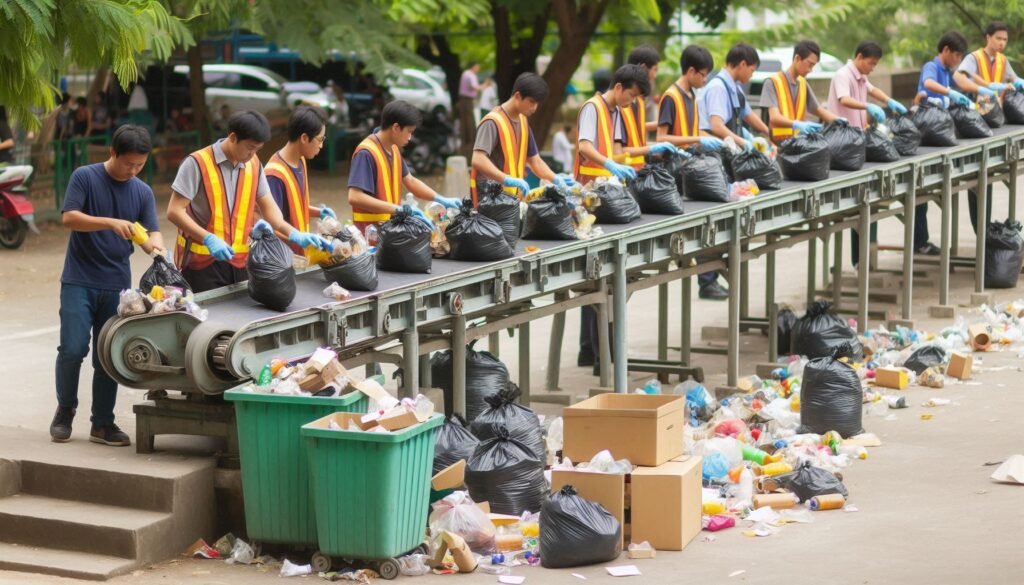
Waste is generated by people through daily activities like consumption, manufacturing, and resource use. Common sources include household trash, industrial byproducts, agricultural waste, and electronic waste.
Overconsumption, packaging, and improper disposal contribute to global waste, affecting landfills, oceans, and ecosystems, and demanding better waste management practices.
Hazardous Waste Management
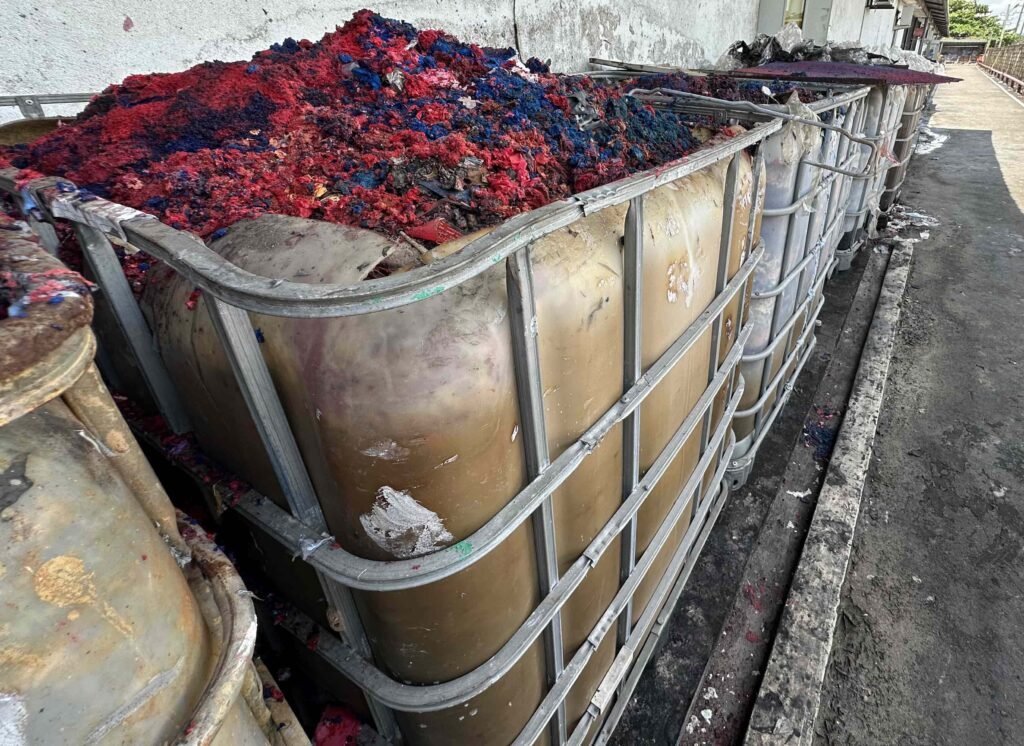
Hazardous waste is any material that poses substantial risks to human health, animals, or the environment due to its toxic, corrosive, flammable, or reactive nature.
It includes chemicals, solvents, pesticides, batteries, and medical waste, which may cause harm if improperly handled or disposed of.
Hazardous waste can contaminate air, soil, and water, leading to long-term environmental damage and health hazards like respiratory issues or chemical burns.
Because of its dangerous properties, hazardous waste requires strict regulation and specialized disposal methods, including containment, treatment, or incineration, to prevent contamination and minimize risks to ecosystems and communities.
Infectious and Clinical Waste
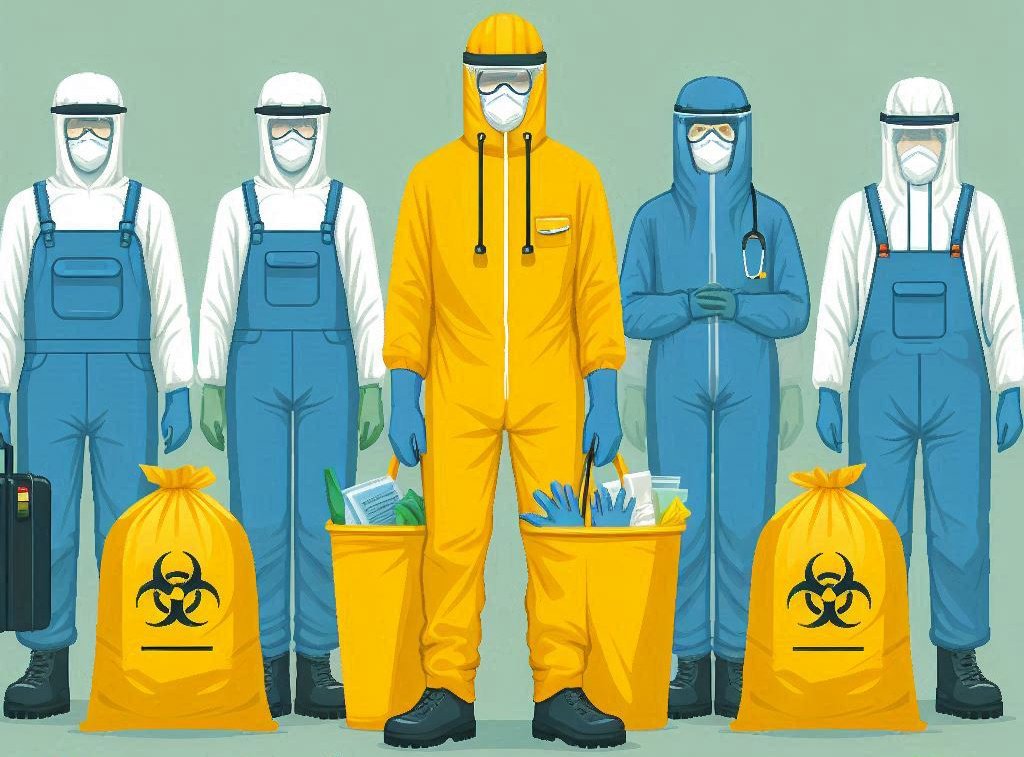
Infectious waste includes materials contaminated with blood, bodily fluids, or pathogens, such as used syringes, bandages, cultures, and lab waste.
It’s primarily generated by hospitals, laboratories, and clinics. This waste poses a significant health risk, potentially spreading diseases if not handled and disposed of properly.
Infectious waste should be disposed of through proper segregation, treatment (such as autoclaving or incineration), and safe disposal in accordance with local regulations to prevent contamination and the spread of disease.
Radioactive Waste
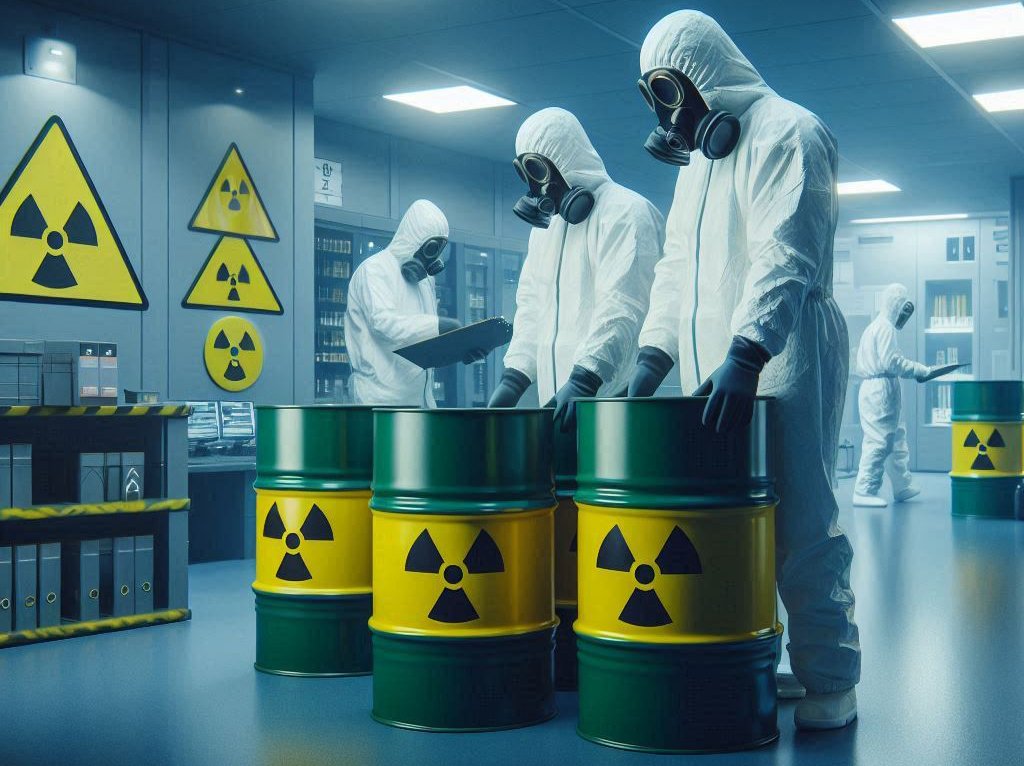
Radioactive waste is a type of waste that contains radioactive materials, typically produced from nuclear power plants, medical treatments, industrial processes, and research activities.
It emits harmful radiation, which can pose serious health and environmental risks if not properly managed, stored, or disposed of in secure facilities.
Radioactive waste is securely disposed of by classifying it based on its radiation level, then containing it in shielded, leak-proof containers. Low-level waste is often stored in secure landfills, while high-level waste is typically isolated in deep geological repositories, ensuring long-term containment to prevent radiation exposure.
Electronic Waste
Electronic waste (e-waste) refers to discarded electronic devices, such as computers, smartphones, and appliances, that are no longer functional or wanted
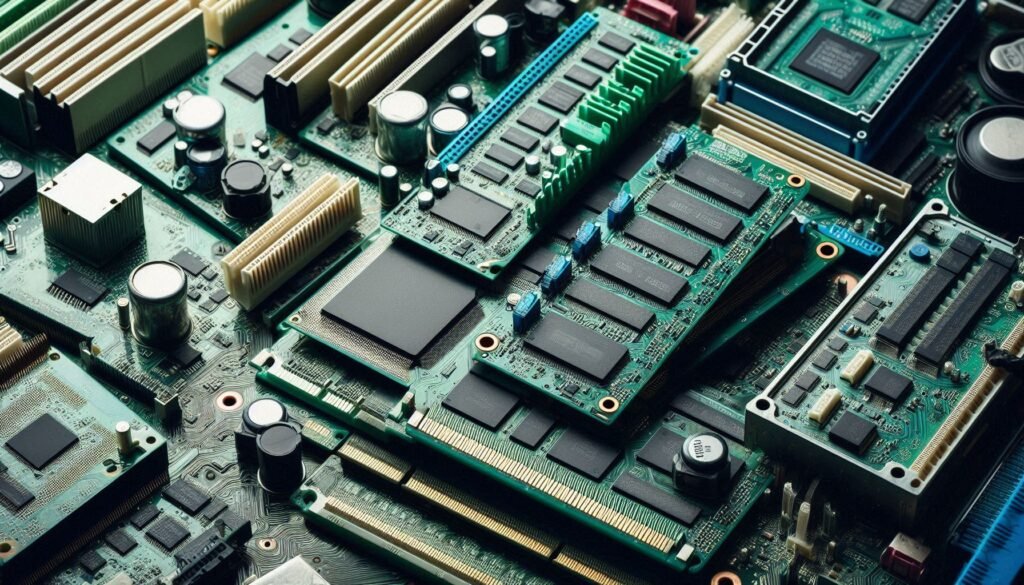
E-waste contains valuable materials like metals but also hazardous substances that can harm the environment if not properly disposed of.
It is categorized into large equipment (washing machines, fridges), small equipment (toasters, microwaves), IT and telecommunications devices (computers, phones), consumer electronics (TVs, cameras), and lighting equipment (LEDs, fluorescent lamps), each requiring specific recycling methods.
Non-Hazardous Waste Management
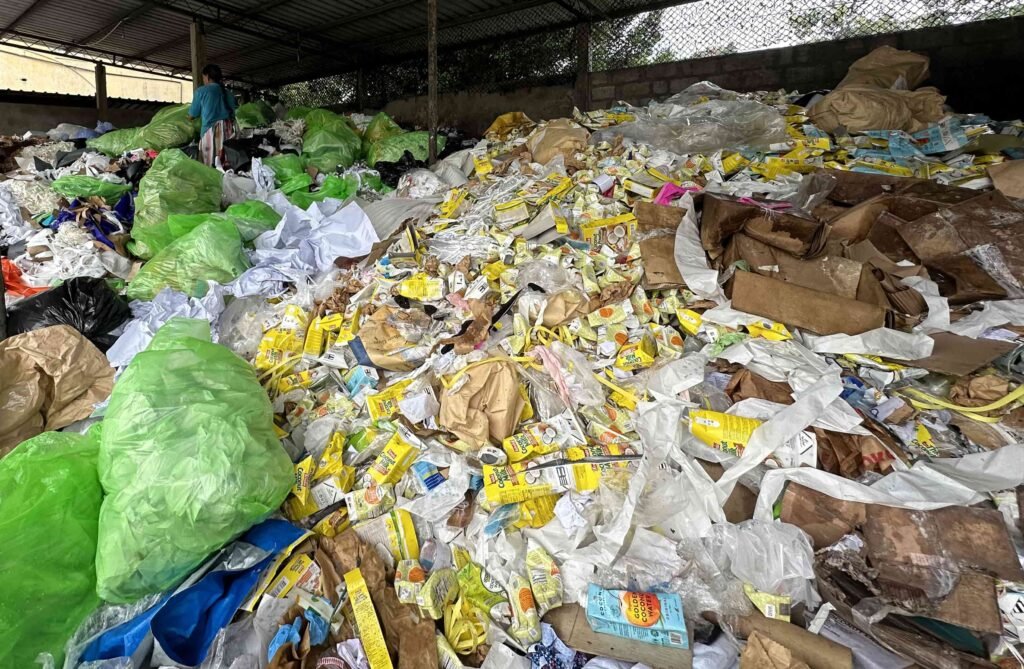
General waste is categorized into several types based on its nature. Municipal Solid Waste (MSW) includes everyday household waste like food scraps, paper, and plastics, usually non-hazardous and disposed of in landfills or recycled.
Organic waste consists of biodegradable materials like food and yard clippings, suitable for composting.
Recyclable waste includes glass, metal, paper, and certain plastics that can be processed and reused.
Lastly, construction and demolition debris from building activities is often recyclable or reusable, reducing waste impact.
Waste Segregation is the First Step of Waste Management
Waste segregation is vital in waste management as it ensures that different types of waste—such as recyclables, organic matter, and hazardous materials—are properly separated.
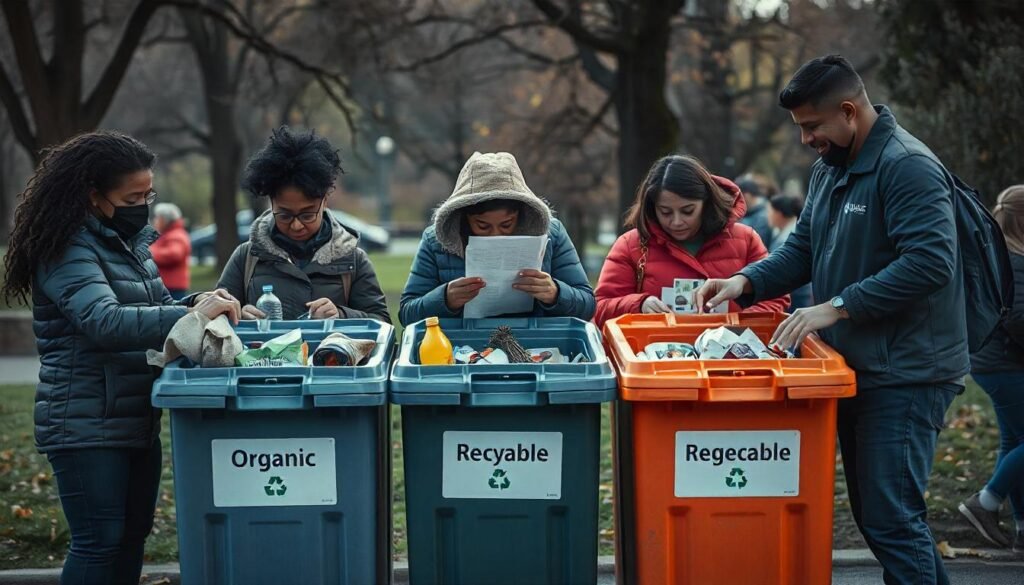
This improves recycling efficiency, reduces landfill use, and prevents environmental contamination.
Proper segregation also enhances resource recovery, lowers waste management costs, and supports public health by minimizing exposure to harmful substances.
By facilitating recycling and composting, waste segregation plays a key role in creating a more sustainable and eco-friendly waste management system.
Composting of Food Waste and Other Bio-degradable Waste
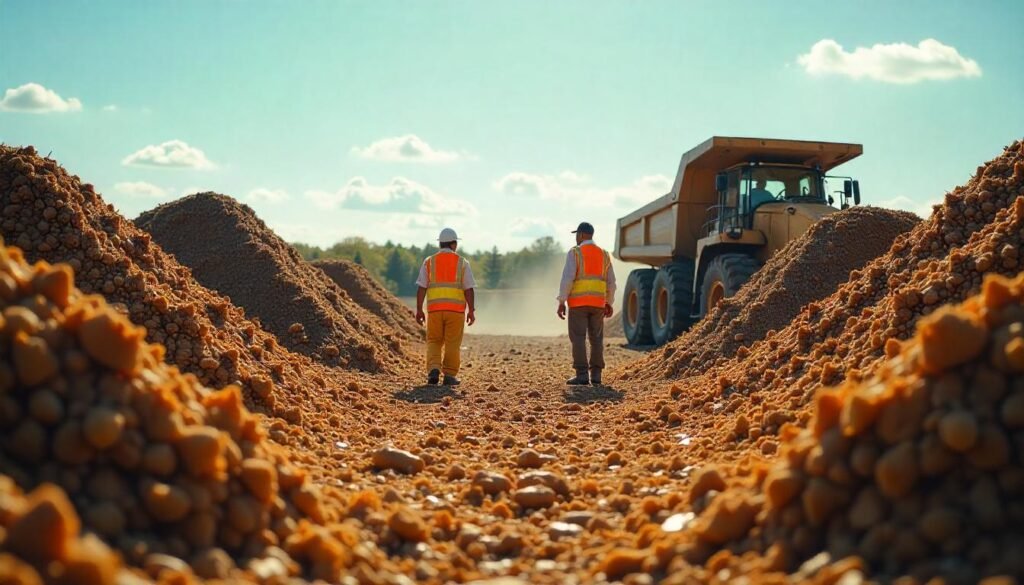
Composting is a natural process that transforms food waste and biodegradable materials into nutrient-rich soil. By breaking down organic waste, such as fruit peels, vegetable scraps, and paper products, composting reduces landfill waste and lowers greenhouse gas emissions.
Microorganisms, worms, and fungi decompose the materials, turning them into a dark, crumbly substance called humus. This eco-friendly practice enriches soil, improves water retention, and supports plant growth, promoting sustainable waste management and environmental conservation.
Recycling of Plastics
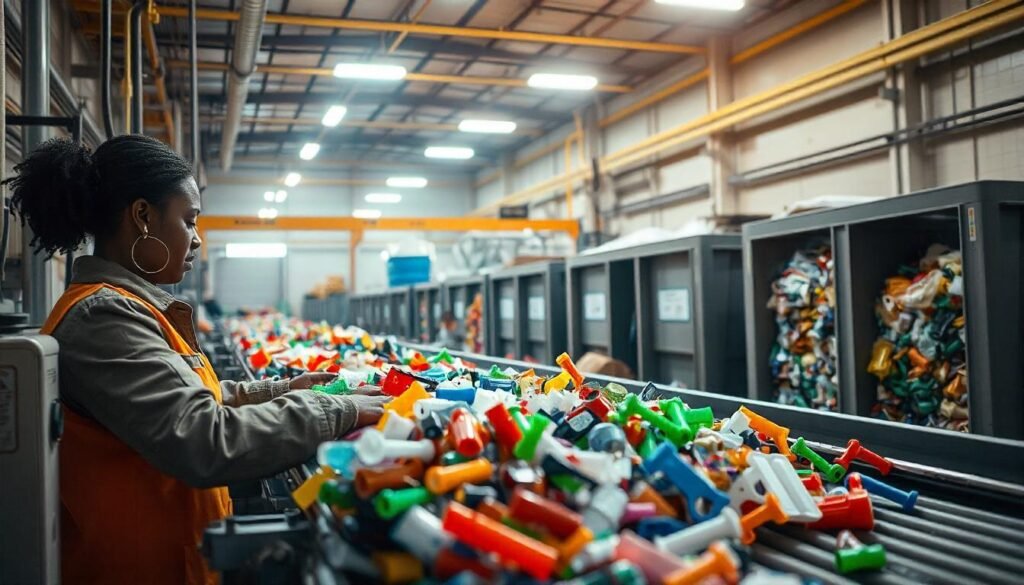
Recycling plastics is crucial for reducing environmental pollution and conserving natural resources.
It prevents plastic waste from ending up in landfills or oceans, where it harms wildlife.
Recycling also conserves energy, reduces greenhouse gas emissions, and promotes sustainable use of materials, helping to combat the global plastic waste crisis.
Recycling of Glass and Glass Containers

Used glass containers are recycled by collecting and sorting them by color, followed by cleaning to remove impurities.
The glass is then crushed into cullet, melted in a furnace, and reshaped into new containers.
This process reduces waste, conserves resources, and saves energy compared to manufacturing new glass.