


Chemical and process engineering is a branch of engineering that focuses on designing, optimizing, and managing processes that convert raw materials into valuable products through chemical, physical, or biological reactions. It combines principles of chemistry, physics, mathematics, and engineering to develop efficient production methods, often in industries like petrochemicals, pharmaceuticals, food processing, and energy.
Designings in Chemical and Process Engineering
Equipment Designing
Chemical engineers design equipment like reactors, distillation columns, and heat exchangers and more equipments, while process engineers ensure that these systems operate safely, cost-effectively, and sustainably to acchieve industrial goals and purposes.
Optimizing Processes
Both fields emphasize minimizing waste, reducing energy consumption, and improving product quality, with applications in diverse industries.
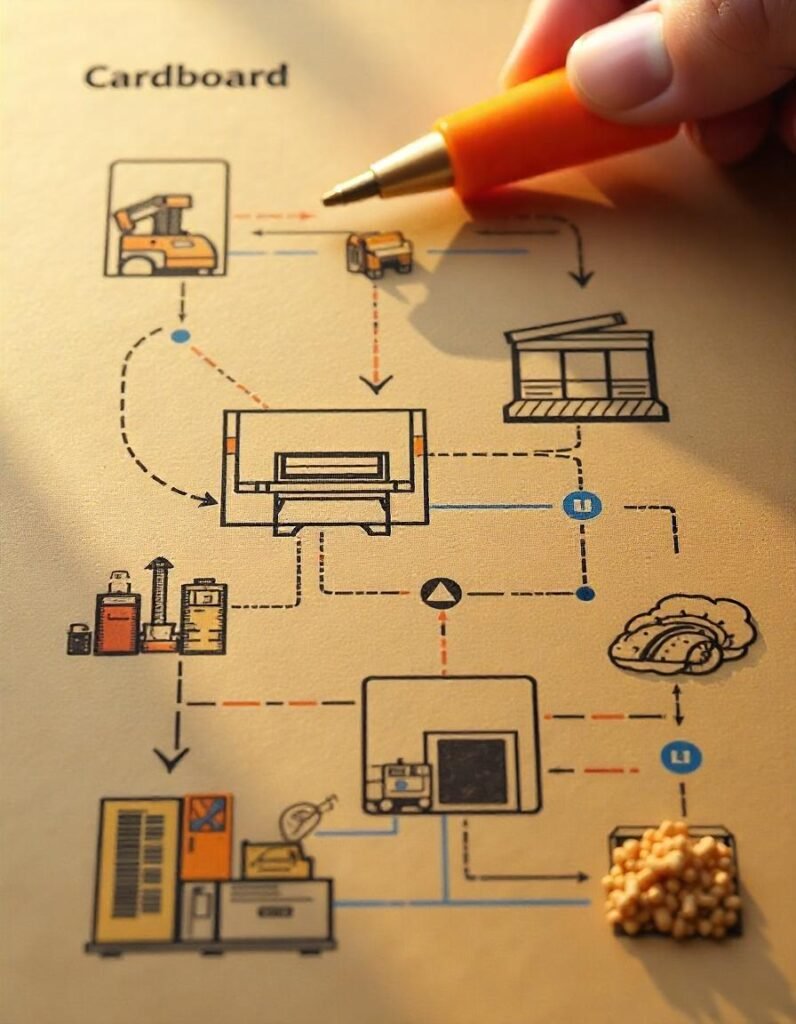
Chemical Engineering Tutorials
In university academics, chemical and process engineering is covered through a mix of theoretical courses, laboratory work, and practical projects. Students begin with core subjects like chemistry, physics, and mathematics, followed by specialized topics such as thermodynamics, fluid dynamics, and process control.
Lab sessions allow them to apply theory by working with chemical processes and engineering equipment. Process design, simulation, and optimization are key components, focusing on efficient industrial systems.
Courses on safety and sustainability emphasize ethical practices, while capstone projects and internships provide real-world problem-solving experience. This comprehensive approach prepares students for careers in various industries.