

Mercury is a highly toxic heavy metal. Found in thermometers, batteries, and fluorescent bulbs, and some household applications. Many Mercury applications are now restricted due to its neurotoxic and environmental impacts.
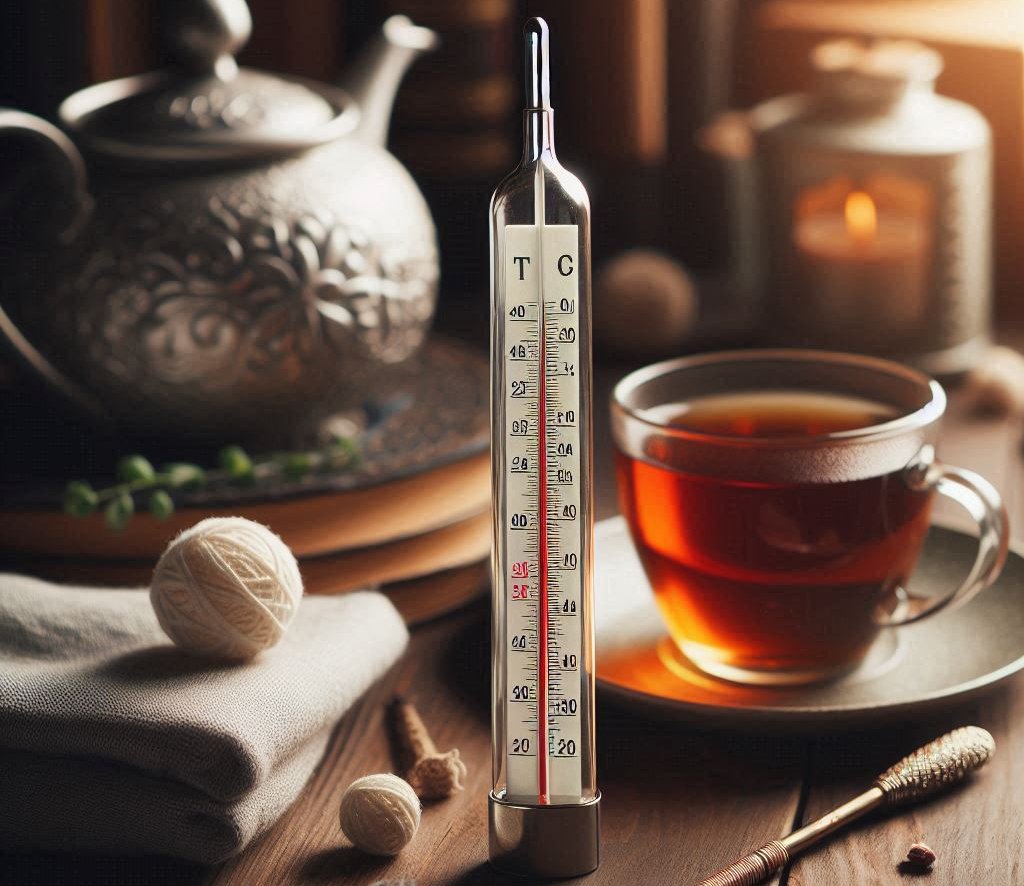
Mercury has a huge role in Chemistry and Chemical Engineering as an element and can be present in various household items and appliances though it’s usage minimzed over the time.
Health Impacts
Mercury exposure in the home can lead to a range of health problems due to its toxic properties. Mercury affects multiple body systems, and its toxicity depends on the form of mercury, exposure level, and exposure duration.
Common sources of mercury found in homes
Though small quantities are there, the impact of mercury toxicity can be deadly and long-term effective. The most dangerous case is people are not aware about where Mercury is in their own houses and what are the health effects of exposing to this heavy metal.
Mercury Thermometers
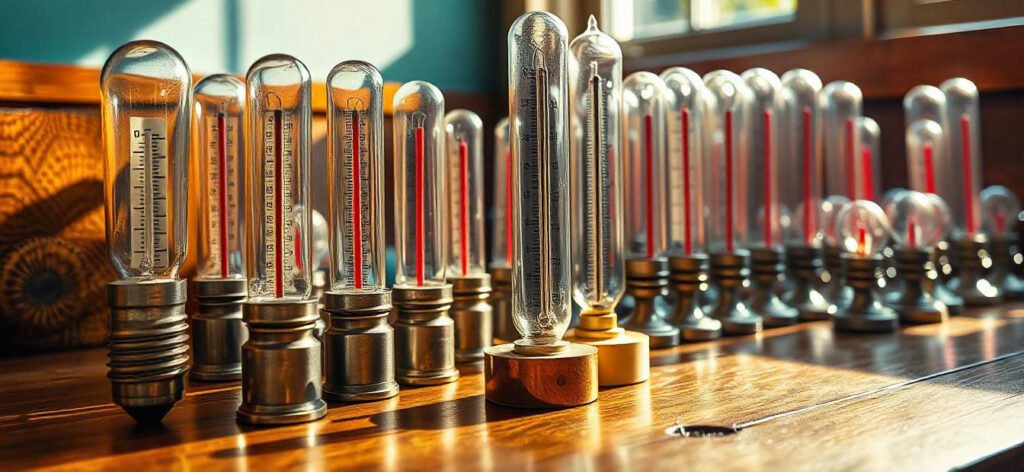
Traditional glass thermometers often contain mercury, which appears as a silver liquid inside. If broken, mercury can leak out, posing health risks. Specially when children or students are working with these items for educational purposes.
Fluorescent Light Bulbs
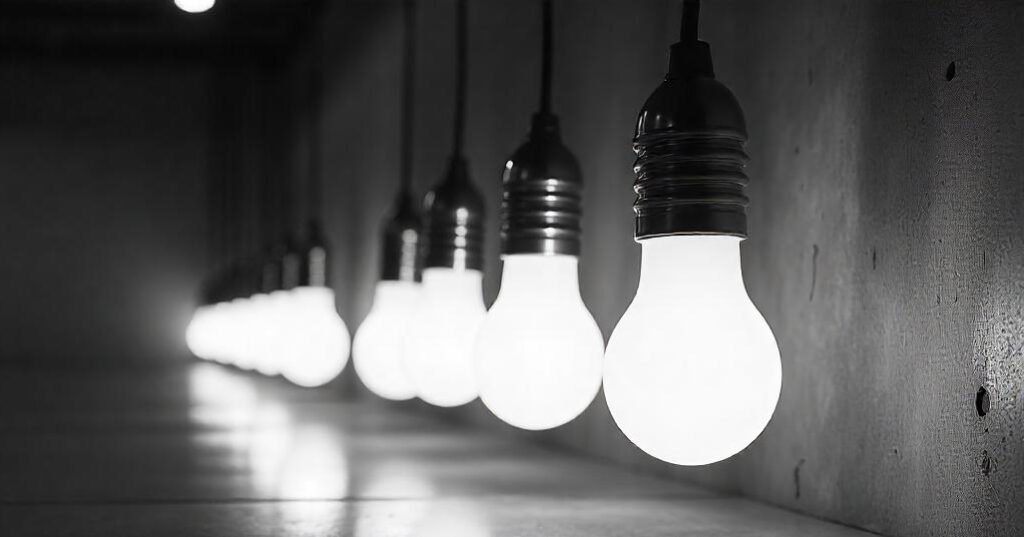
Compact fluorescent lamps (CFLs) and some fluorescent tube lights contain small amounts of mercury vapor. If broken, the mercury is released as a vapor.
Some older types of batteries has mercury
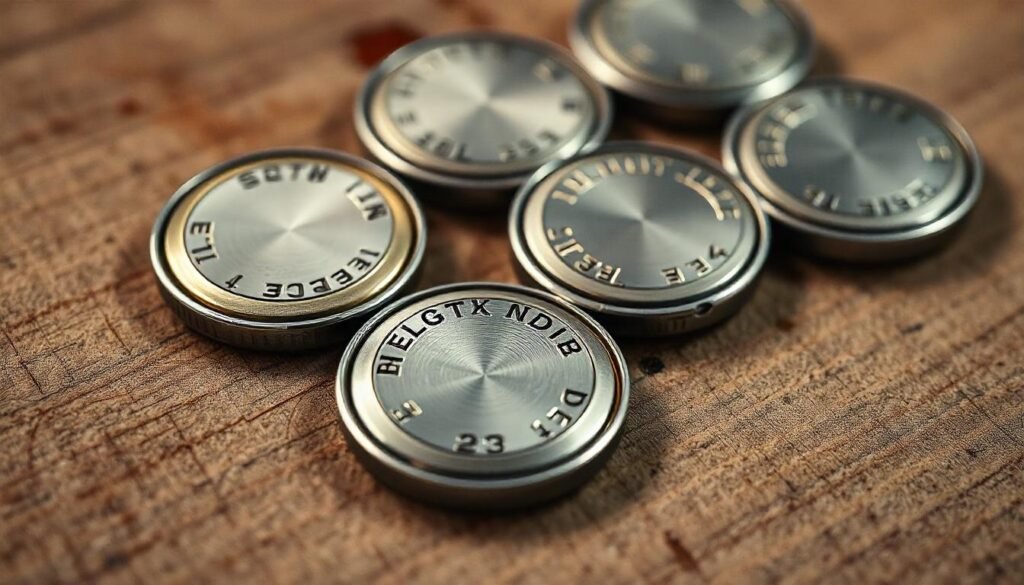
Some older types of batteries, like button cells used in watches, hearing aids, and small electronic devices, contain mercury.
Newer batteries tend to be mercury-free due to international and local environment regulation changes.
Thermostats and Old Appliances
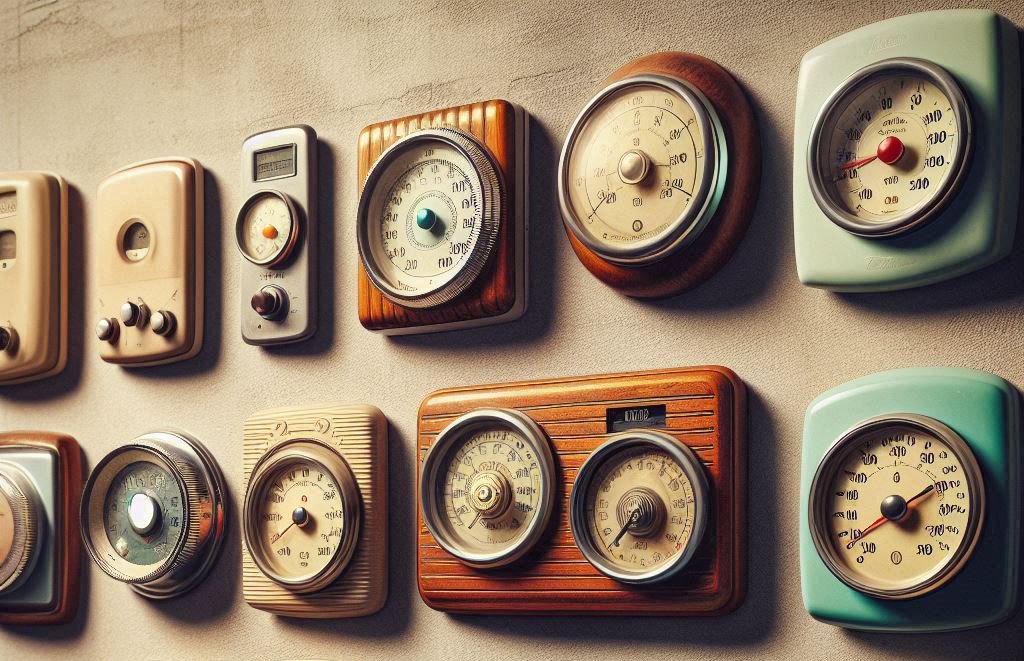
Older thermostats and certain appliances (such as chest freezers and washing machines from the 1950s-1970s) used mercury switches, which can release mercury if the appliance is damaged or dismantled.
Paints and Fungicides
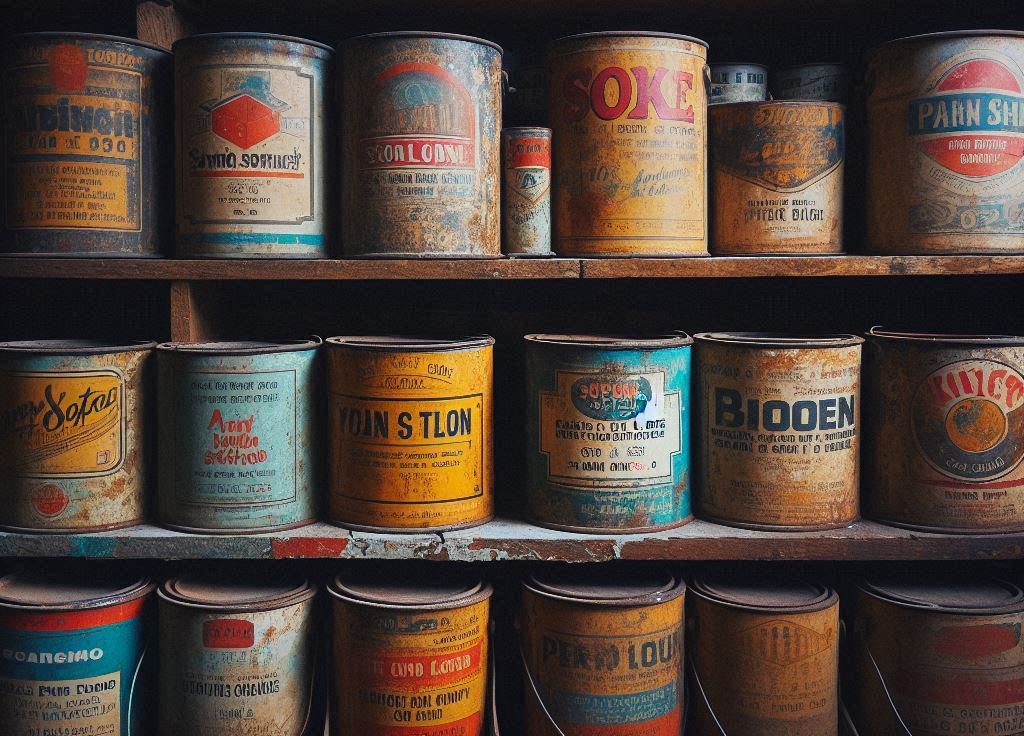
Older paints, particularly pre-1990s formulations, sometimes contained mercury compounds to prevent mold.
Some fungicides and wood preservatives also used mercury, although this has mostly been phased out after realizing that this is extreemely harmful to humans during the application and after application.
When, some paint quantity is remained in the can after its usage, there are issues that what to do with this remaining quantity. Some people tends to throw away this quantity to the environment due to the anawareness of the hidden threat.
Antiques and Decorations
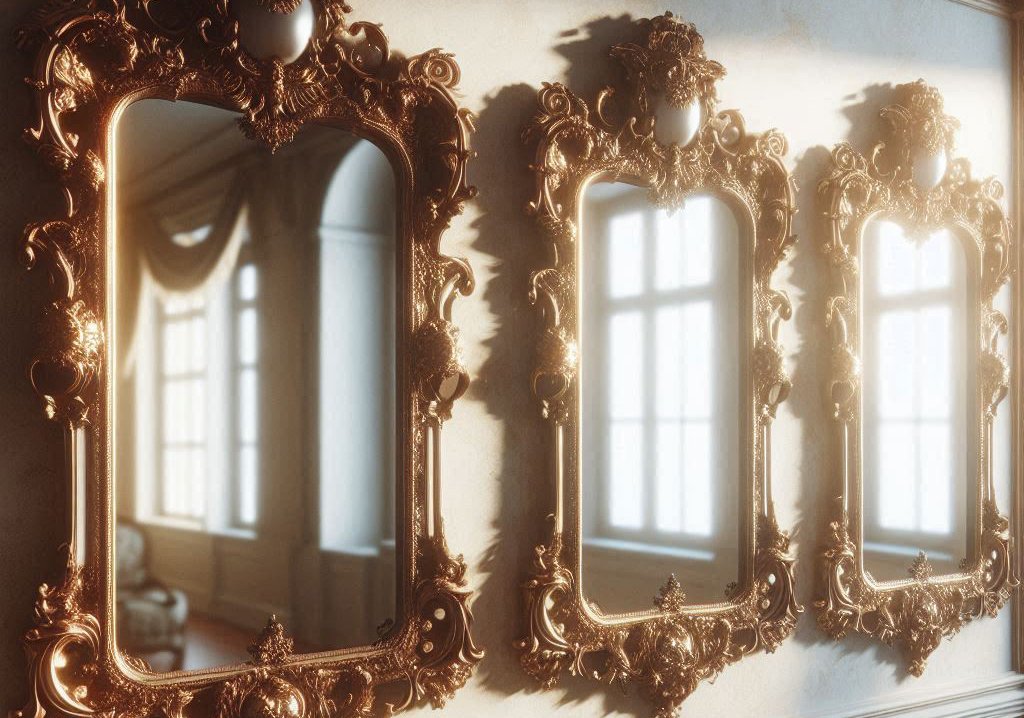
Some antiques, such as old mirrors (where mercury was used as a reflective backing), and certain types of china or pottery glazes, may contain mercury.
Skin Creams and Cosmetics
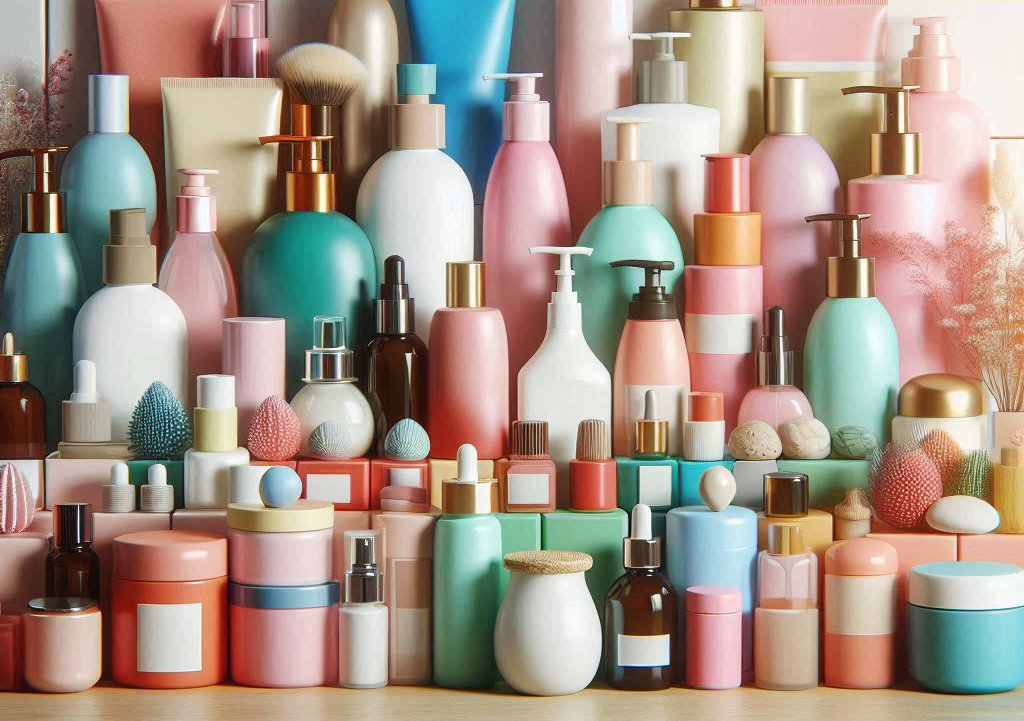
Certain skin-lightening creams, as well as some cosmetic products from overseas, may contain mercury.
Regulations prohibit mercury in cosmetics in many countries, but some imported products may still contain it.
Most of these prohibited cosmetics include in minor concentrations, but when the person who freequently use the cream, he exposed to higher quantities of Mercury resulting negative health impacts.
Disposal of Mercury Included Household Equipment
If any of these items break or are damaged, they can release mercury, which can be toxic if inhaled or absorbed.
Safely Store
If any good is identified as Mercury included, store it in a safe place to avoid exposure and damages of the equipment. Specially, careful to avoid it from children.
Handover to a Licenced Disposal Party
There are licenced waste management service providers such e-waste solution providers whi can manage heavy metals including Mercury. They can safely and scientifically remove the Mercury and can follow proper disposal mechanism to avoid release of Mercury to the environment.
