

Wastewater treatment involves several key characteristics that help define and optimize the process for removing contaminants efficiently.
Wastewater is considered as one of the main waste category generated by both domestic and industrial usages. These characristics can be classified to four main categories as below and they will be discussed in detail in this tutorial.
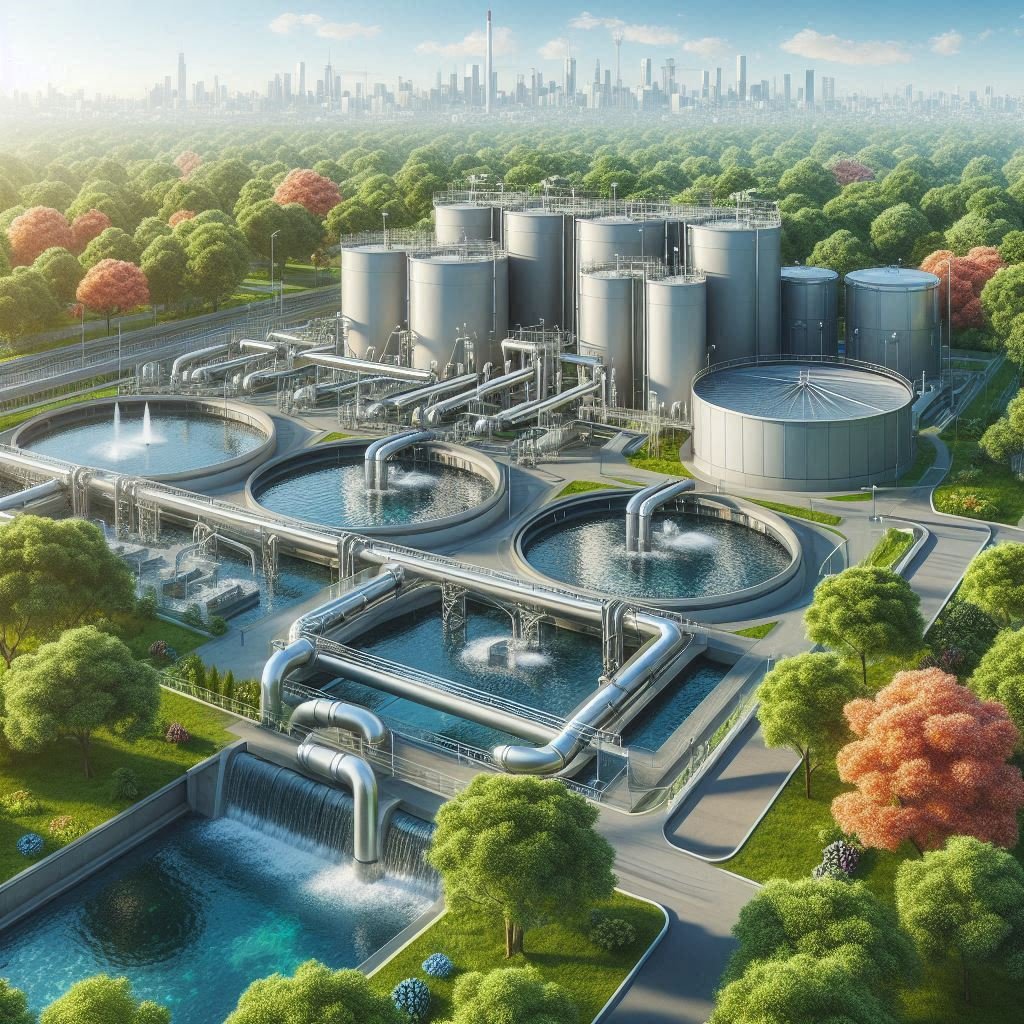
- Physical Characteristics – The physical characteristics of wastewater in a treatment facility are crucial for understanding the nature of contaminants and optimizing treatment methods.
- Chemical Characteristics – The chemical characteristics of wastewater are essential for assessing the level of pollutants and determining the treatment needed.
- Biological Characteristics – The biological characteristics of wastewater are crucial for designing and managing treatment processes, as they affect the microbial breakdown of organic pollutants.
- Flow Characteristics – The flow characteristics of wastewater are essential in designing and optimizing treatment facility operations, as they affect capacity, treatment efficiency, and equipment requirements
Physical Characteristics
The physical characteristics of wastewater treatment facilities are essential in designing, operating, and maintaining efficient systems. These characteristics help determine how well a facility can treat wastewater and meet environmental standards. Here are some of the main physical aspects, we discuss in this tutorial.
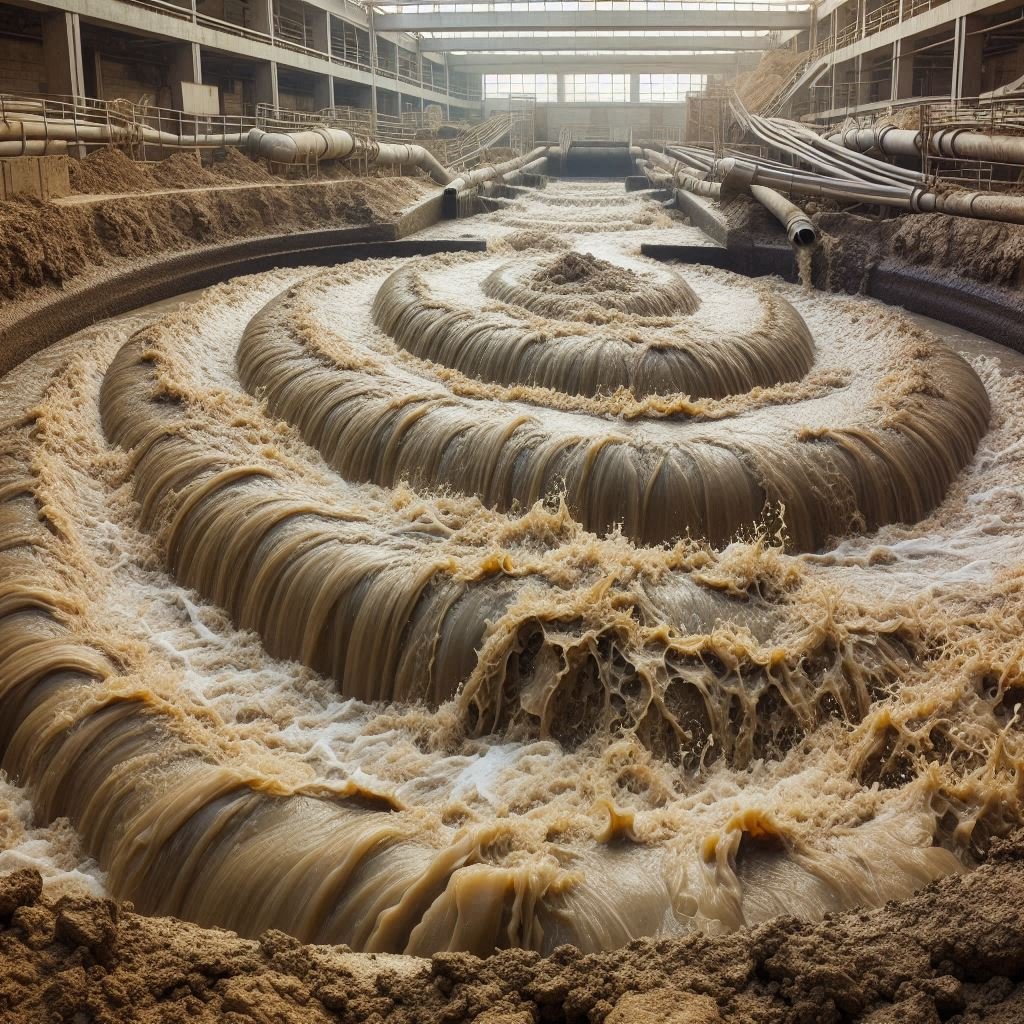
Aspects of Physical characteristics
- Flow rate
- Total suspended solids (TSS)
- Temperature
- Colour and Turbidity
- Odor
- Grease, oil and fat
- Size and layout of structures
Flow Rate
- Definition: The amount of wastewater entering the facility, usually measured in gallons per day (GPD) or cubic meters per second (m³/s).
- Importance: Dictates the size and capacity of tanks, pipes, and other equipment. Flow rates can vary throughout the day and year, impacting treatment processes.
Total Suspended Solids (TSS)
- Definition: The solids suspended in wastewater that do not dissolve, such as silt, grit, and organic matter.
- Measurement: Usually in milligrams per liter (mg/L).
- Role: Facilities often include screening, sedimentation, and filtration stages to remove TSS, preventing clogging and ensuring effective treatment.
Color and Turbidity
- Definition: Color refers to the visible hue of wastewater, while turbidity measures its cloudiness due to particles in suspension.
- Measurement: Turbidity is measured in Nephelometric Turbidity Units (NTU).
- Role: High turbidity and color can indicate the presence of pollutants; removal is essential for meeting discharge standards and often involves coagulation, sedimentation, and filtration.
Odor
- Cause: Often results from sulfur compounds (e.g., hydrogen sulfide), ammonia, and organic matter decomposition.
- Impact: Odor control is essential to minimize impacts on surrounding communities and involves processes like aeration, biofilters, or activated carbon filters.
Temperature
- Effect on Treatment: Warmer temperatures can enhance biological processes but may also lead to odors and increase evaporation.
- Control Methods: Some facilities use temperature control strategies (e.g., shading, cooling) to maintain optimal biological activity.
Grease, Oil, and Fats
- Challenge: These substances can clog pipes, disrupt biological treatment, and are difficult to treat.
- Treatment: Facilities use grease traps, skimmers, and physical barriers to remove fats, oils, and grease.
Size and Layout of Structures
- Structures: Includes screening areas, primary and secondary sedimentation tanks, aeration tanks, digesters, and clarifiers.
- Importance: Facilities are designed to ensure flow continuity, ease of maintenance, and safety. Size and layout affect treatment efficiency and operational logistics.
These physical characteristics are critical for planning, designing, and operating a wastewater treatment facility effectively, ensuring both environmental compliance and operational efficiency.
Chemical Characteristics
The chemical characteristics of wastewater are critical for determining the appropriate treatment processes needed to meet discharge standards. Chemical analysis helps assess the pollutants present and their concentrations. Here are some key chemical characteristics commonly analyzed in wastewater treatment:
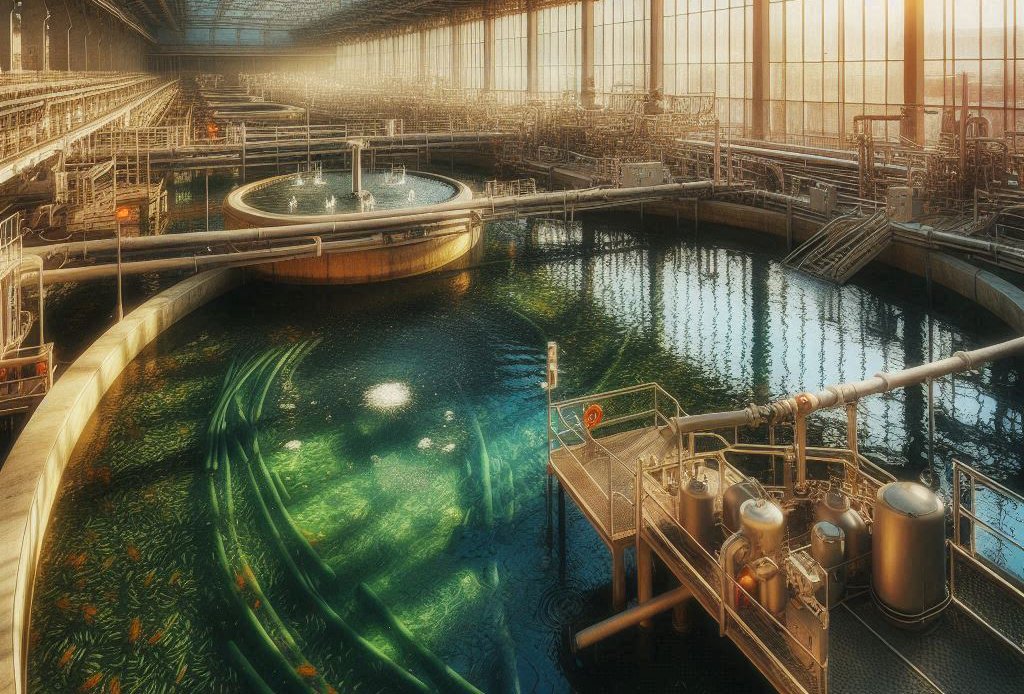
Key Chemical Characteristics
- Biochemical Oxygen Demand (BOD)
- Chemical Oxygen Demand (COD)
- Total Nitrogen (TN) and Ammonia (NH₃)
- Total Phosphorus (TP)
- pH Level
- Heavy Metals
- Toxic Organics
- Chlorides and Sulfates
- Alkalinity
- Total Dissolved Solids (TDS)
- Grease, Oil, and Fat (FOG) Concentrations
Biochemical Oxygen Demand (BOD)
- Definition: A measure of the amount of oxygen required by microorganisms to break down organic matter in wastewater.
- Importance: High BOD indicates a large amount of organic pollution, which can deplete oxygen in receiving water bodies, harming aquatic life. BOD levels are reduced through biological treatment processes.
Chemical Oxygen Demand (COD)
- Definition: Represents the amount of oxygen needed to chemically oxidize organic and inorganic substances in wastewater.
- Role: COD is faster to measure than BOD and provides an indication of the overall pollutant load. It’s particularly useful for monitoring industrial wastewater with difficult-to-biodegrade substances.
Total Nitrogen (TN) and Ammonia (NH₃)
- Importance: Nitrogen compounds contribute to nutrient pollution, which can cause eutrophication in water bodies, leading to algal blooms and oxygen depletion.
- Treatment: Biological processes, such as nitrification and denitrification, convert ammonia to nitrogen gas, which is then released harmlessly into the atmosphere.
Total Phosphorus (TP)
- Role: Like nitrogen, phosphorus can lead to nutrient pollution and eutrophication if not removed.
- Treatment: Chemical precipitation (e.g., with alum or ferric chloride) and biological removal processes are commonly used to lower phosphorus levels.
pH Level
- Definition: pH indicates the acidity or alkalinity of wastewater.
- Importance: pH affects biological treatment processes and is crucial for the effectiveness of certain chemical treatments. Wastewater typically undergoes pH adjustment before biological treatment to ensure optimal microbial activity.
Heavy Metals
- Examples: Lead, mercury, cadmium, chromium, and copper.
- Importance: Heavy metals are toxic to aquatic life and humans, and they do not degrade easily. Even trace amounts need to be removed, especially from industrial wastewater.
- Treatment: Methods include chemical precipitation, ion exchange, and adsorption.
Toxic Organics
- Examples: Pesticides, herbicides, pharmaceuticals, and volatile organic compounds (VOCs).
- Challenge: Many toxic organics are resistant to conventional treatment methods, making them persistent pollutants.
- Treatment: Advanced treatments, such as activated carbon adsorption, ozonation, and advanced oxidation processes (AOPs), are often employed to remove these compounds.
Chlorides and Sulfates
- Sources: Can originate from industrial discharge, domestic wastewater, and saltwater intrusion.
- Impact: High levels can affect water reuse applications, harm aquatic ecosystems, and damage infrastructure.
- Treatment: Membrane filtration (like reverse osmosis) and ion exchange are sometimes used to reduce chlorides and sulfates, especially in specialized applications.
Alkalinity
- Definition: The capacity of wastewater to neutralize acids, measured in terms of bicarbonate, carbonate, and hydroxide content.
- Importance: Sufficient alkalinity is necessary for nitrification, as it buffers the acidic byproducts formed during this process. Facilities may add lime or other alkali to maintain suitable levels.
Total Dissolved Solids (TDS)
- Definition: Represents the combined content of all inorganic and organic substances dissolved in water.
- Impact: High TDS affects water quality, making it unsuitable for drinking or agricultural use. It can also impair membrane-based treatment processes.
- Treatment: TDS reduction often requires desalination techniques, such as reverse osmosis.
Grease, Oil, and Fat (FOG) Concentrations
- Sources: Commonly found in domestic and food-processing wastewater.
- Impact: FOG can clog pipes, interfere with biological treatment, and cause operational issues.
Biological Characteristics
The biological characteristics of wastewater are important for understanding its treatment requirements and potential environmental impact. These characteristics primarily include the types and concentrations of microorganisms, organic matter, and nutrients present in the wastewater.

Key biological characteristics
- Microorganisms
- Pathogens
- Nutrients (Nitrogen and Phosphorus)
- Total and Fecal Coliforms
- Endocrine Disruptors and Pharmaceuticals
Microorganisms
- Bacteria: Bacteria are the primary microorganisms in wastewater and are responsible for breaking down organic matter. Common types include coliform bacteria (like E. coli) which are often used as indicators of fecal contamination.
- Viruses: Many viruses, such as enteroviruses and noroviruses, can be present in wastewater. These can cause disease if they enter drinking water sources without proper treatment.
- Protozoa and Parasites: Protozoa (like Giardia and Cryptosporidium) and helminths (like parasitic worms) can be present, especially in untreated or poorly treated wastewater.
- Algae: Algae may also grow in wastewater systems, especially in ponds or lagoons where sunlight is available, contributing to oxygen production but also potentially leading to eutrophication if released into natural water bodies.
Pathogens
Pathogens are disease-causing microorganisms such as bacteria, viruses, and protozoa. Wastewater can be a significant carrier of pathogens if untreated or improperly treated, posing health risks to humans and animals if released into natural water bodies or used for irrigation.
Nutrients (Nitrogen and Phosphorus)
- Nitrogen: Primarily in the form of ammonia, nitrate, and organic nitrogen compounds. Excessive nitrogen in wastewater can contribute to eutrophication in water bodies, causing excessive algae growth and oxygen depletion.
- Phosphorus: Commonly found as phosphates, phosphorus also contributes to eutrophication. It often comes from household detergents, industrial sources, and human waste.
Total and Fecal Coliforms
These are indicators of microbial contamination, particularly from fecal sources. High coliform counts indicate a significant amount of fecal contamination, which suggests the presence of other harmful pathogens.
Endocrine Disruptors and Pharmaceuticals
Though present in trace amounts, compounds like hormones, antibiotics, and other pharmaceuticals can affect aquatic life even at low concentrations and may require special treatment methods for removal.
Flow Characteristics
The flow characteristics of wastewater are crucial for designing and managing wastewater treatment systems. These characteristics help determine the capacity and efficiency requirements of treatment facilities, as well as the environmental impact of wastewater discharge.
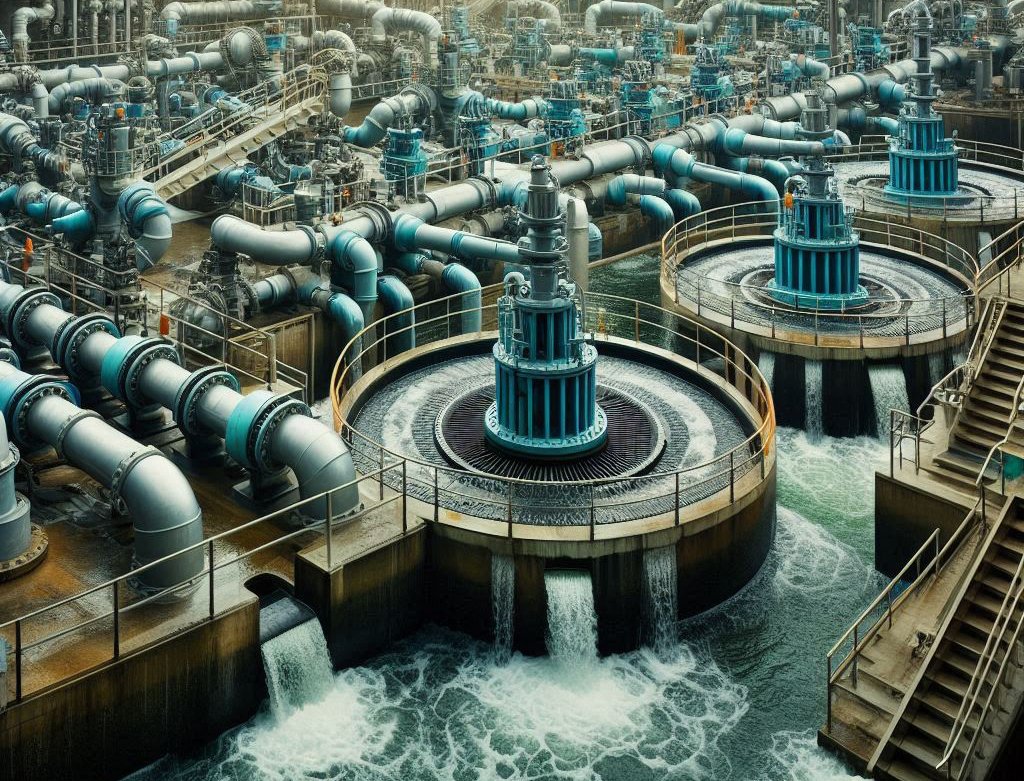
Key Flow Characteristics
- Flow Rate (Q)
- Diurnal Flow Patterns
- Seasonal Variations
- Infiltration and Inflow (I&I)
- Flow Velocity
- Hydraulic Retention Time (HRT)
- Turbulence and Mixing
- Solids Loading Rate
Flow Rate (Q)
- Flow rate is the volume of wastewater moving through a system per unit time, typically measured in liters per second (L/s) or cubic meters per day (m³/day).
- Average Flow: The normal flow rate under typical conditions. This helps determine the general capacity requirements of treatment facilities.
- Peak Flow: The highest flow rate in the system, usually occurring during storm events or certain times of the day. Treatment plants must be able to handle these peaks to prevent overflow and system failure.
- Minimum Flow: The lowest flow rate, which often occurs at night. This flow rate is important for maintaining the stability of biological treatment processes, as some microorganisms need a constant flow to survive.
Diurnal Flow Patterns
- Wastewater flow typically varies throughout the day due to human activity patterns. Peak flows often occur in the morning and evening when people are most active, while flows are lower at night.Treatment systems must account for these fluctuations to ensure efficient operation and to prevent issues such as backups or under-treatment during low-flow periods.
Seasonal Variations
- Wet Weather Flow: During rainfall, stormwater can enter wastewater systems through infiltration or inflow, increasing the total flow. This is more common in combined sewer systems (which collect both stormwater and wastewater).
- Dry Weather Flow: In the absence of rainfall, wastewater flow consists mainly of household and industrial discharges.
- Seasonal factors like irrigation use, snowmelt, and tourism can also influence flow rates, especially in regions with variable climates.
Infiltration and Inflow (I&I)
- Infiltration: Groundwater entering the sewer system through cracks, leaks, or defective joints. This can significantly increase wastewater flow, especially during rainy seasons or in areas with high water tables.
- Inflow: Stormwater entering the system through improper connections, like downspouts or manholes. Inflow often causes sudden spikes in flow rates during storms, which can overwhelm treatment facilities.
Flow Velocity
- The speed of wastewater flow, usually measured in meters per second (m/s), is important for ensuring that solids remain in suspension and do not settle in pipes, which can lead to blockages.
- Ideal velocities range from 0.6 to 1.2 m/s to prevent sedimentation, though specific requirements depend on system design and pipe size.
Hydraulic Retention Time (HRT)
- HRT is the time wastewater spends in a treatment tank or system. It’s critical for biological treatment processes, as microorganisms need adequate time to digest organic matter.
- Longer HRT generally allows for more thorough treatment but requires larger tanks and more space.
Turbulence and Mixing
- Turbulence, the irregular motion of water, is essential in certain stages of wastewater treatment, such as in aeration tanks, where it enhances oxygen transfer and promotes efficient microbial activity.
- Excessive turbulence in pipes, however, can cause problems like excessive wear and tear on equipment and reduce the sedimentation of solids.
Solids Loading Rate
- Solids loading refers to the amount of suspended and settleable solids carried by the wastewater flow. It affects sedimentation processes and the design of primary and secondary treatment systems.
- High solids loading requires efficient screening and sedimentation to prevent clogging and overloading of downstream processes.
Understanding and managing these flow characteristics is essential for designing efficient wastewater treatment facilities and for ensuring the system can handle fluctuations, storm events, and peak demands without failure.
