

Impacts of open burning of plastics effects to both human health and environment quality. is the practice of setting fire to plastic waste in an uncontrolled manner, usually outdoors and without pollution control measures.
This can happen at informal waste sites, in backyards, or even in industrial settings without proper waste disposal facilities.
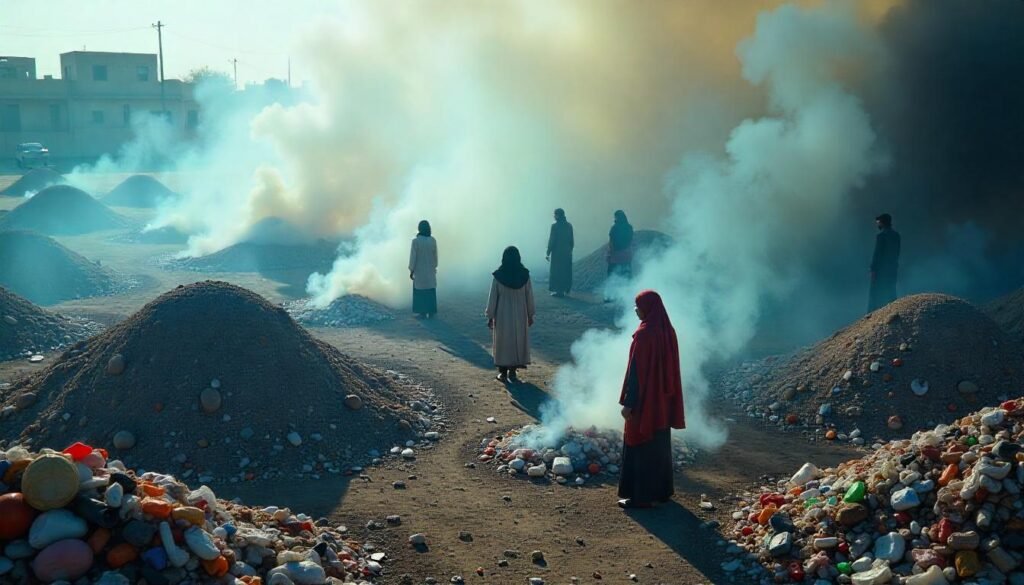
Most of people are anaware about impacts of open burning of plastics in their own residential area
Often, open burning is used as a quick way to reduce the volume of waste, especially in areas with limited or inadequate waste management infrastructure.
Content
- Why Open Burning Happens and why people tends to burn plastics?
- Key effects of burning plastics and polythene in an open environment
Why Open Burning of Plastics Still Happens and why people tends to burn plastics in their own environment?
Open burning happens for several reasons, often driven by convenience, lack of awareness, or insufficient waste management infrastructure. Here are some key reasons and motivations behind open burning and why people burn plastics in particular.
Lack of Waste Management Facilities and poor awareness about impacts of open buring of plastics in their own working area
You may have seen a big fires are always in large size waste management facilities, specially in developing and poor countries. Most of working people are not aware about impacts of open buring of plastics around their working area.
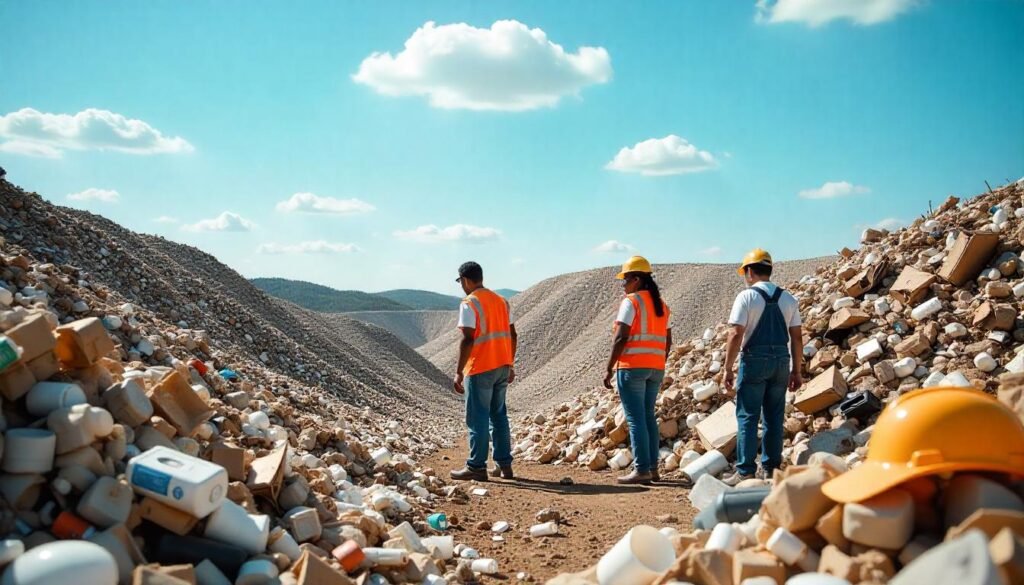
Many communities don’t have access to organized waste collection or recycling centres to cater plastic waste. Therefore, people tends to collect their own waste within their houses and burn them at once after a considerable quantity is collected.
This can occur on both a domestic scale and in places where waste is dumped or landfilled.
Quick Solution for Waste Reduction and using as a fuel source
People may resort to burning to reduce the volume of waste in a short time. Also, people tend to use plastics and polythene as fuel because plastic and polythene are good burning materials and provide good heat, especially for cooking.
Low Cost to Dispose of non-recyclable plastics
Open burning is free and requires no special equipment or infrastructure, unlike other disposal methods. Specially, poor or developing countries are doing this to minimize waste management costs.
Impacts of open burning of plastics and polythene in an open environment to Human and environment
Open burning of plastics has severe environmental, health, and societal impacts due to the unawareness of people.
- Release of Toxic Pollutants
- Air Quality Degradation
- Health Impacts on Communities
- Soil and Water Contamination
- Contribution to Climate Change
- Economic and Social Costs
Release of Toxic Pollutants
- Dioxins and Furans: Burning plastics, especially PVC, releases dioxins and furans—highly toxic chemicals that are carcinogenic and can cause immune and developmental issues.
- Heavy Metals: Some plastics contain heavy metals like lead and cadmium, which are released during burning, posing risks of neurological and developmental damage.
- Carbon Monoxide (CO) and Particulate Matter (PM): These pollutants contribute to respiratory and cardiovascular problems and are especially dangerous for vulnerable populations.
Air Quality Degradation
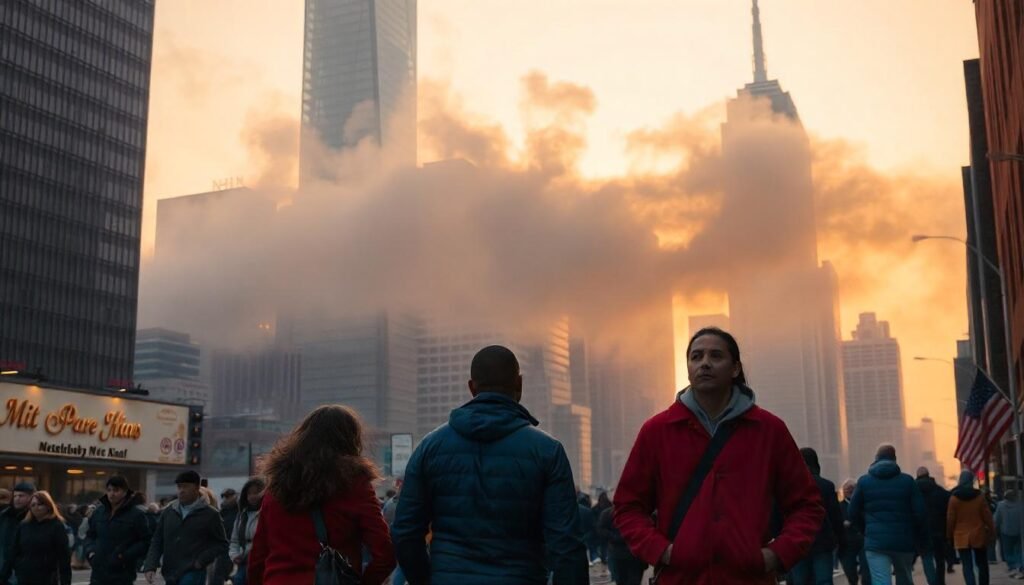
- Open burning releases fine particulate matter (PM2.5 and PM10), which reduces air quality, leading to smog formation and ground-level ozone issues.
- Communities close to burning sites experience severe air pollution, which can linger and spread, affecting wider areas.
Health Impacts on Communities due to open burning of plastics
- Respiratory Issues: Inhalation of fumes from burning plastics can cause asthma, bronchitis, and chronic respiratory diseases.
- Cancer Risk: Long-term exposure to dioxins and other carcinogens increases the risk of various cancers.
- Impact on Vulnerable Groups: Children, the elderly, and those with preexisting health conditions are at higher risk from the pollutants released.
Soil and Water Contamination due to open burning of plastics
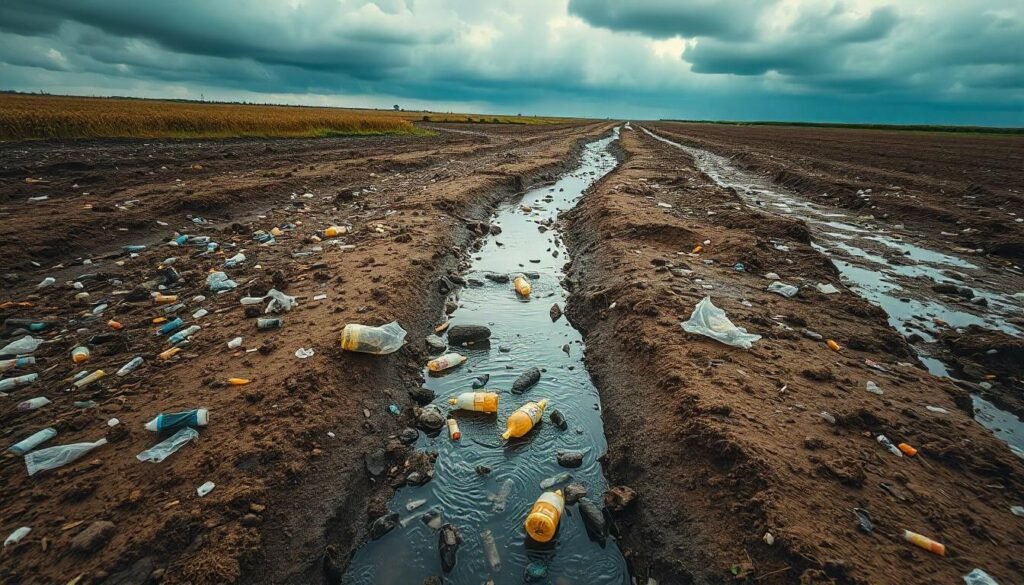
- Residues from plastic combustion can settle on soil and enter water bodies, contaminating crops and drinking water sources.
- Over time, this contamination affects the food chain, as toxic substances accumulate in plants and animals, specially microplastics are contaminated with water.
Contribution to Climate Change
- Burning plastics releases greenhouse gases, including carbon dioxide (CO₂) and greenhouses gases, contributing to climate change and global warming.
- Black carbon, a component of particulate matter, also has a warming effect and contributes to glacier melting.
Economic and Social Costs
- The health impacts of pollution increase healthcare costs, lower productivity, and burden the economy.
- In rural or impoverished areas where open burning is more common, these effects can exacerbate poverty and reduce overall quality of life.
To mitigate these impacts, alternatives to open burning, such as followings should be promoted.
- Reusing as much as possible
- Recycling
- Proper waste management
- Waste-to-energy technologies
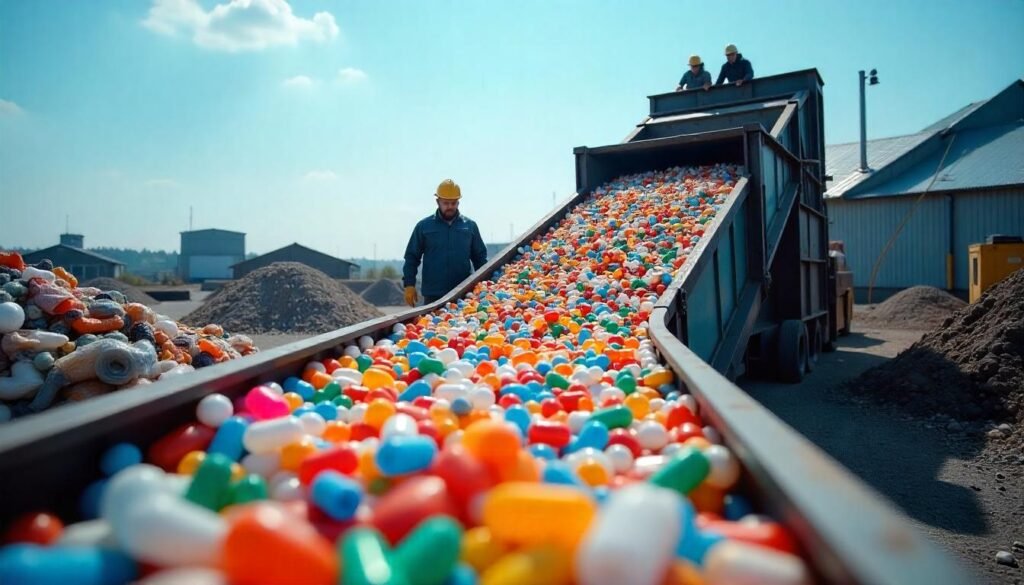
Avoiding open burning is a responsibility of every person who engage in following points in plastic industry.
- Plastic product manufactures
- Using plastic products
- Collecting plastic waste
- Recycling
- End users
