

Increasing condensate temperature in boilers improves energy efficiency, reduces fuel consumption, and minimizes thermal shock, thus extending equipment life and reducing operational costs.
This also helps lower emissions, improve steam quality, and decrease water treatment and maintenance needs.
In a previous tutorial, we discussed how boiler efficiency is increased by increasing the condensate recovery rate. and proper Process Engineering knowledge should be there for taking these kinds of challenges.
Content
- How steam condensate temperature is important in boiler operation?
- How to increase steam condensate recovery temperature
Why increasing condensate temperature is important in boiler operation?
There are a series of benefits of increasing the condensate temperature.
Increase energy efficiency by reducing fuel consumption for increasing condensate temperature
High-temperature condensate means more sensible heat is retained, reducing the energy needed to bring the feedwater back to boiling temperature. The less energy you have to add to the feedwater, the more efficient the boiler is, which can significantly reduce fuel costs.
Improving the deaeration for increasing condensate temperature
Warm condensate helps in deaerating the feedwater by removing dissolved gases like oxygen and carbon dioxide, which can cause corrosion in boiler systems. Typically, feedwater is heated to drive off these gases, so higher condensate temperature means less energy is required for this step.
Thermal shock reduction in boiler
Introducing lower-temperature condensate can cause rapid temperature changes in the boiler, potentially leading to thermal shock and damage. High-temperature condensate reduces this risk, extending the lifespan of the boiler.
Improving steam quality throughout the boiler operation
By maintaining a high condensate temperature, the boiler can generate steam more consistently and with better quality. When condensate is too cool, it can cause fluctuations in steam production, leading to inconsistent pressures and impacting the overall process.
Boiler feedwater pump protection
Warm condensate reduces the risk of cavitation in feedwater pumps. If the feedwater is too cold, cavitation can occur, which damages the pump and reduces its efficiency and lifespan.
How to increase steam condensate recovery temperature?
There are many ways of increasing the temperature of condensate by making engineering decisions. Continuous monitoring will help to identify those and necessary steps should be encouraged.
Optimize heat exchangers to absorb maximum available heat
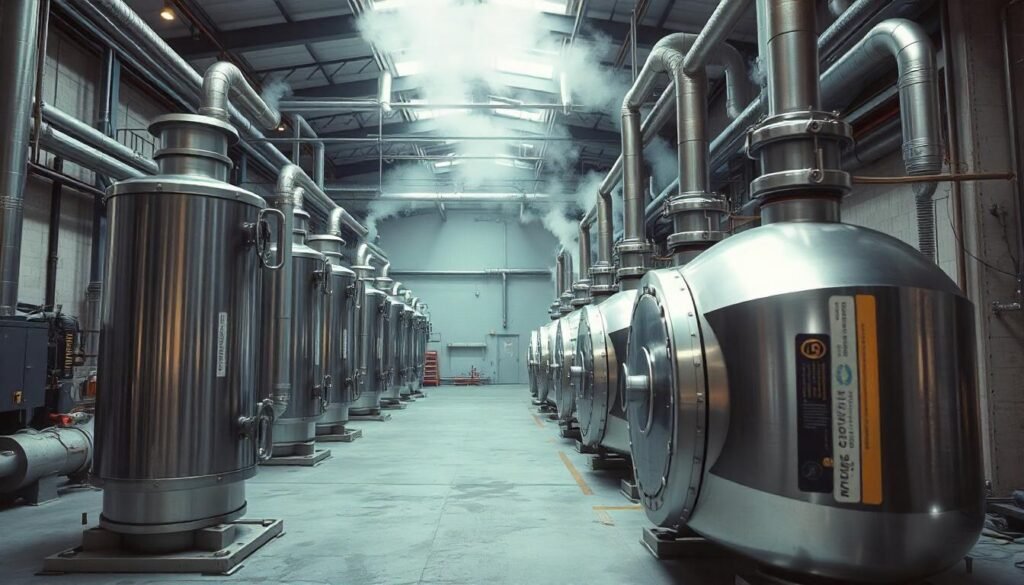
Use heat exchangers to recover waste heat from processes or flue gases and transfer it to the condensate, increasing its temperature before it re-enters the boiler system.
As an example, there will be heat generation equipment in industry. There may be excess or unused heat that can be used for increasing condensate temperature by using a heat exchanger.
Insulate condensate lines and condensate storage tanks will help in increasing condensate temperature

Properly insulate all condensate return piping to minimize heat loss during transportation back to the boiler.
Condensate piping may be longer from the process usage area to the boiler. Therefore, there is a potential of losing heat during this pipeline. Therefore, proper insulation is a must to avoid heat loss.
The selection of the proper insulation material also should be considered to maximize the energy recovery.
This will require a capital investment and a financial evaluation should be carried out.
Install a pressurized condensate return system
Operate the condensate return system under pressure to maintain higher temperatures and prevent heat loss associated with atmospheric pressure systems.
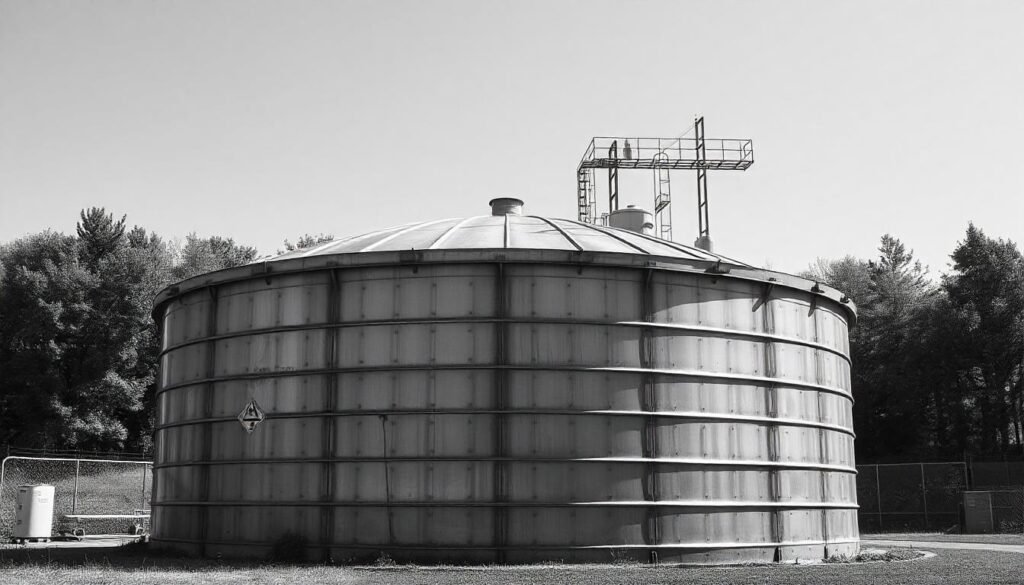
There are two storage tanks to store condensate.
- Pressurized condensate storage
- vented condensate storage
Difference of Pressurized condensate storage tanks and vented condensate storage tank
In open/vented storage tanks, condensate is exposed to atmospheric pressure and temperature. Therefore, hot condensate evaporates and loses some thermal energy resulting in a reduction of temperature.
Preheat with solar or waste heat sources
Integrating renewable or waste heat sources is common in industries, such as solar heaters or waste heat from industrial processes, to increase the temperature of the condensate.
Unutilized sources of waste heat streams shall have a considerable amount of heat. Those sources can be utilized efficiently to recover the maximum quantity of heat. As an example, that kind of heat source may help to increase condensate temperature from 900C to 950C.
Reduce Condensate Flashing
Minimize pressure drops in the condensate return system by maintaining consistent line pressure, reducing energy losses and retaining more heat in the condensate.
Implementing these measures ensures more energy-efficient boiler operation and reduces overall fuel consumption. Also reduces emissions to the environment. Therefore, there are significant economic and environmental benefits by increasing condensate temperature.
